
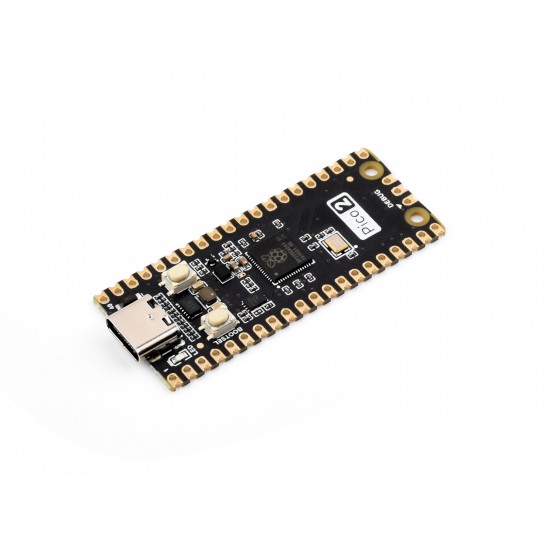
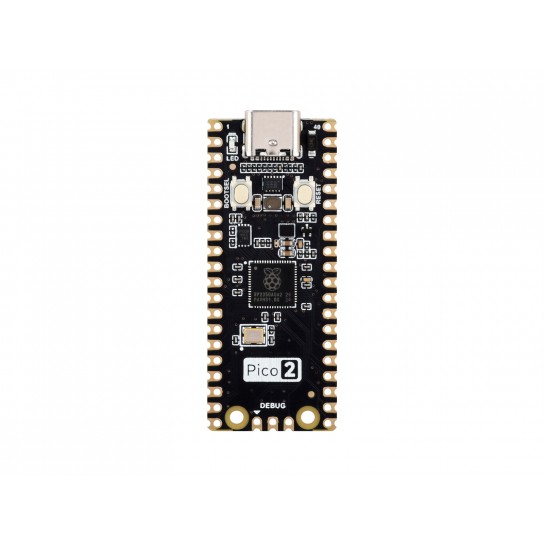
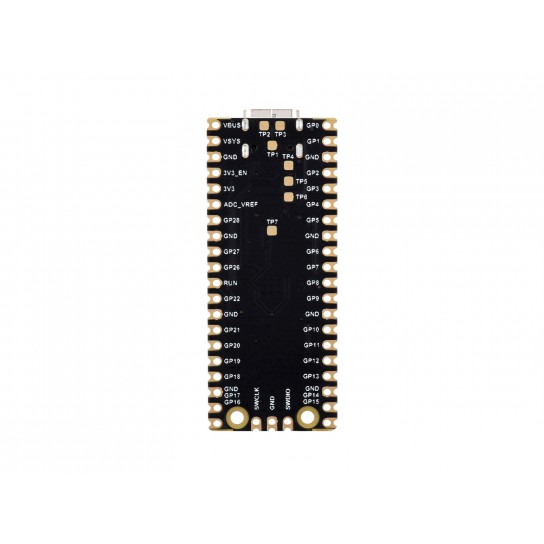
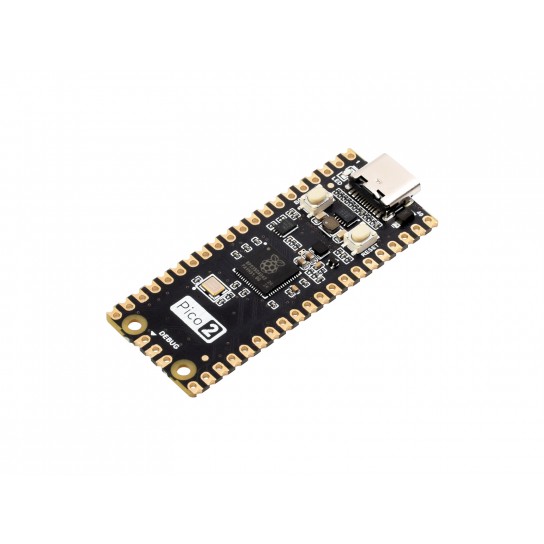
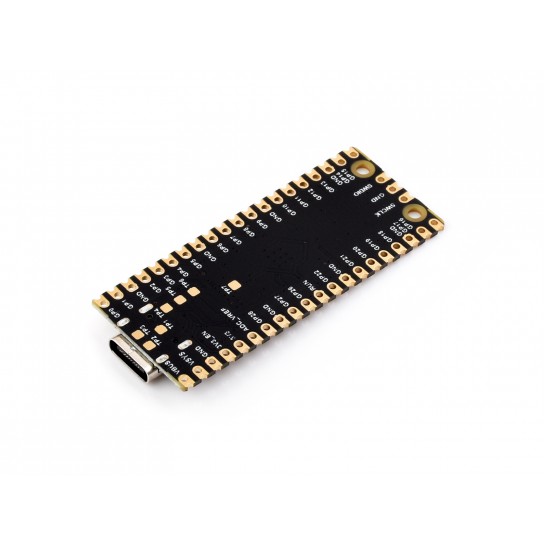
Luckfox Pico 2 Micro Development Board, Based on Raspberry Pi MCU RP2350A, Supports Dual ARM Cortex-M33 or Hazard3 RISC-V Processors


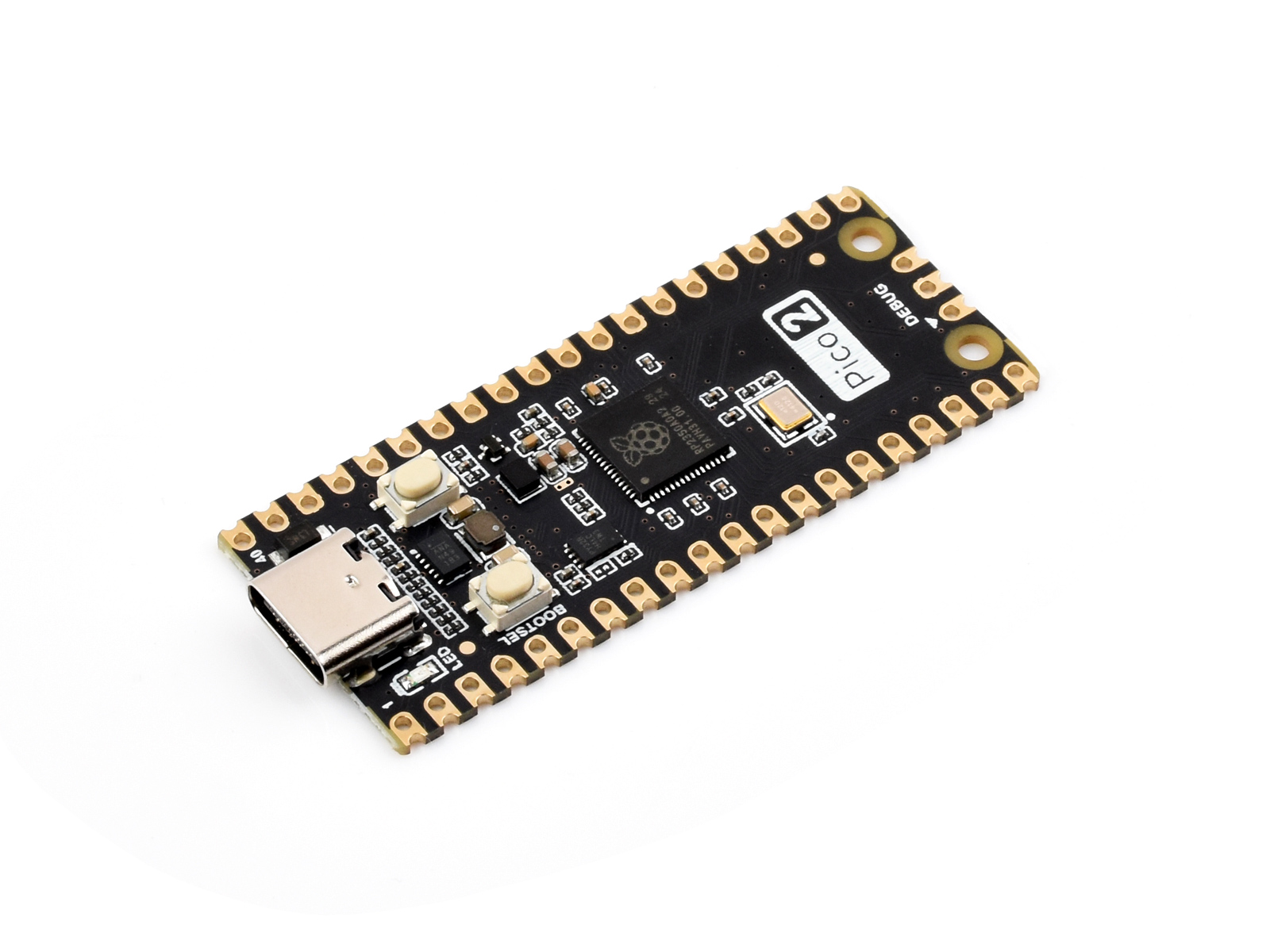
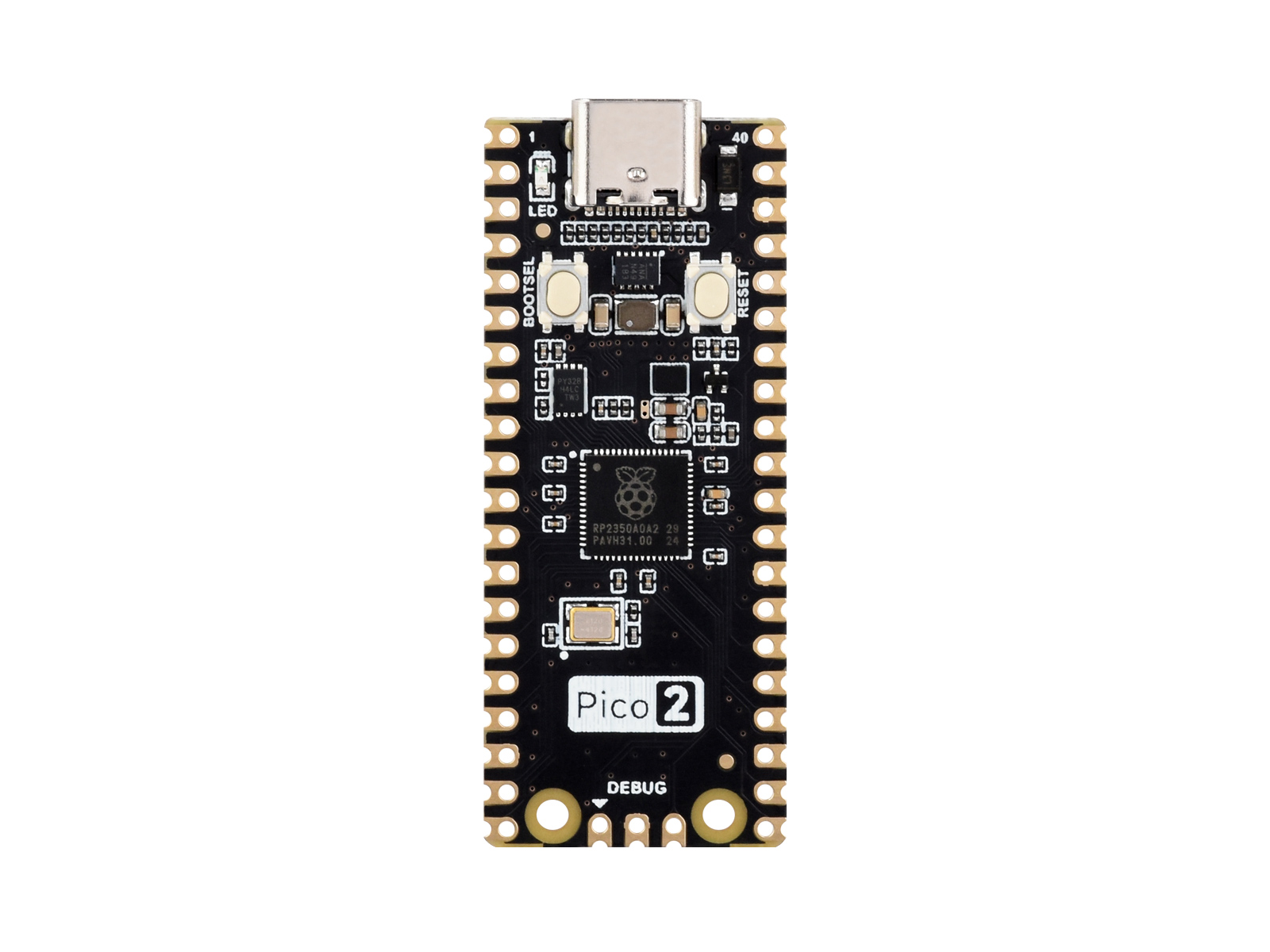
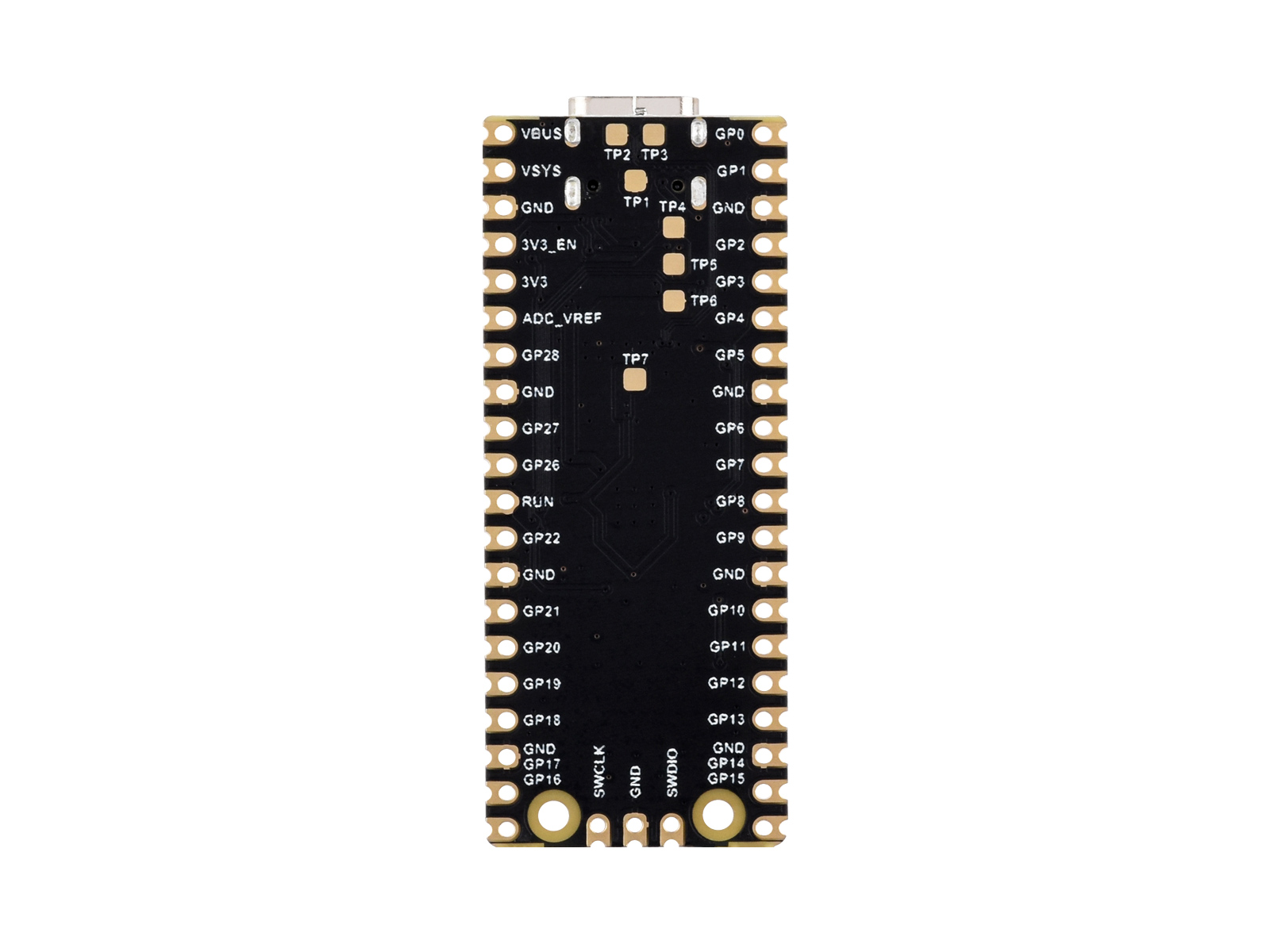
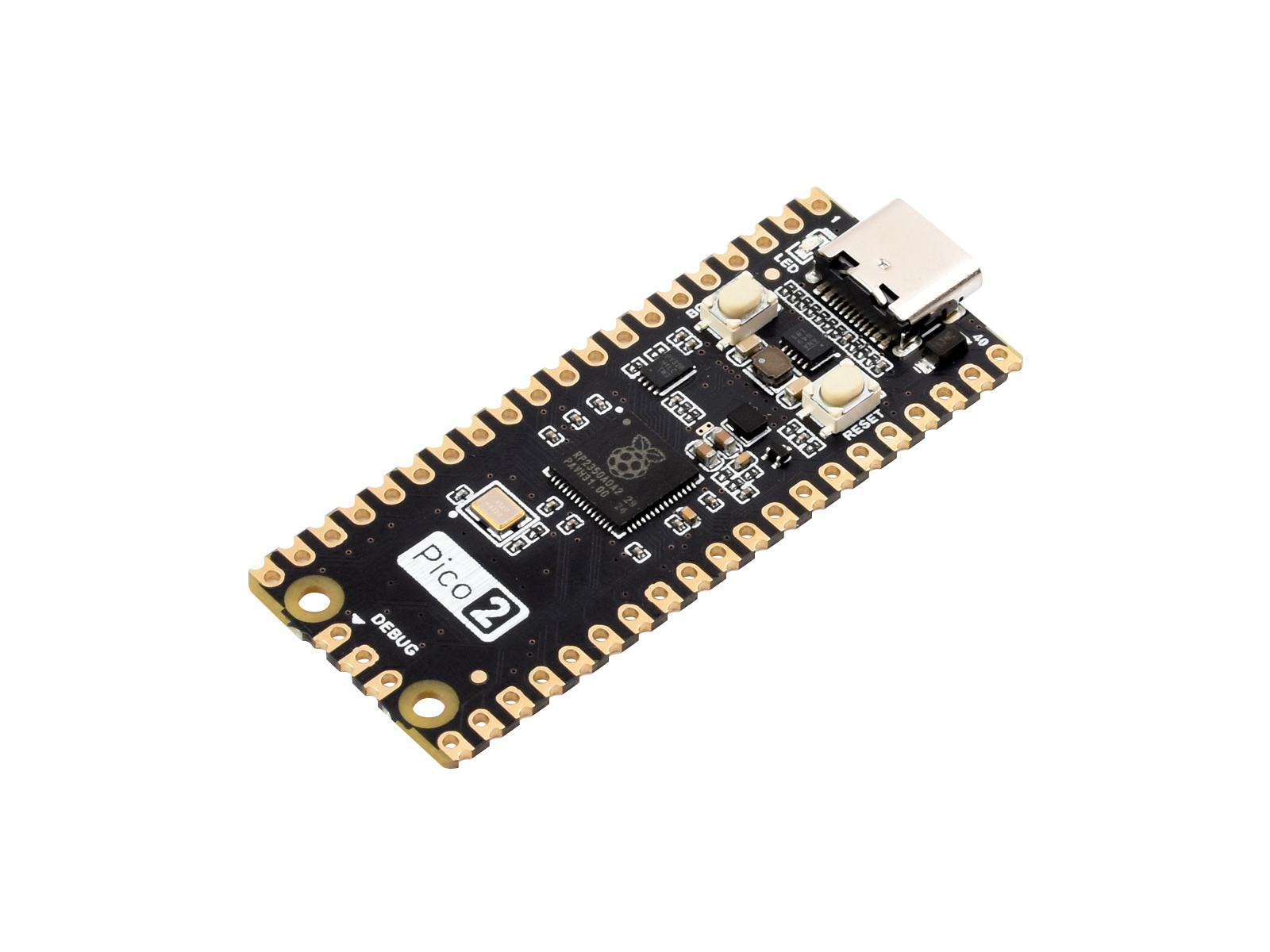
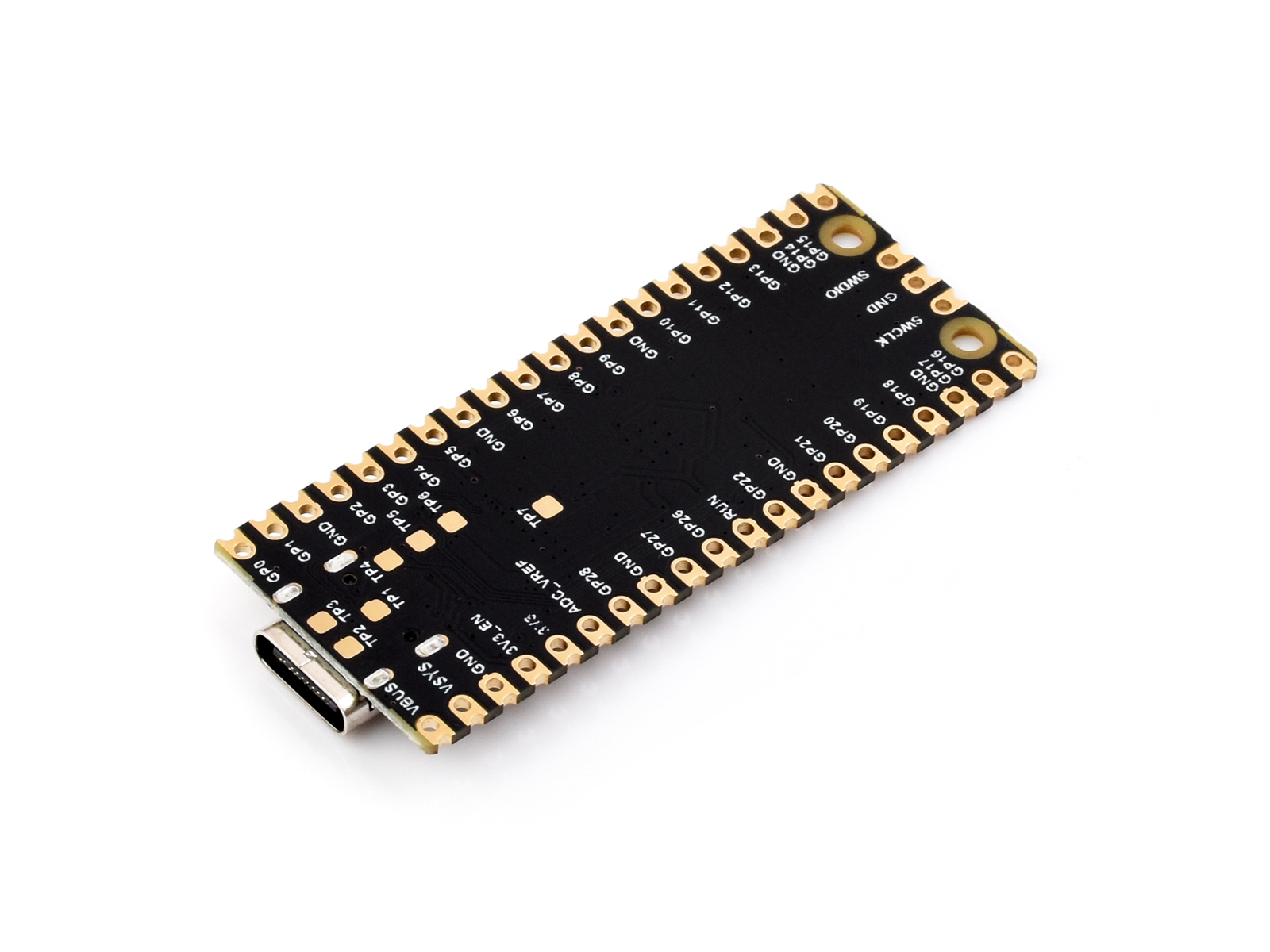
Comprehensive SDK, Dev Resources, Tutorials To Help You Easily Get Started
The unique dual-core & dual-architecture of RP2350A enables users to switch between a pair of industry-standard Arm Cortex-M33 cores and a pair of open hardware Hazard3 cores. This enables developers to experiment with RISC-V architecture in a stable and well supported environment
configurable pin function, allows flexible development and integration
| Memory and Storage | |
| Flash | 4MB |
| Memory | 520KB |
| SOC Features | |
| Processor | RP2350A @150MHz |
| Camera | |
| Sensor | Temperature |
| Interfaces & Peripherals | |
| ADC | x3 |
| I2C | x2 |
| PIO | x3 |
| PWM | x16 |
| SPI | x2 |
| UART | x2 |
Get E-mail updates about our latest shop and special offers.



